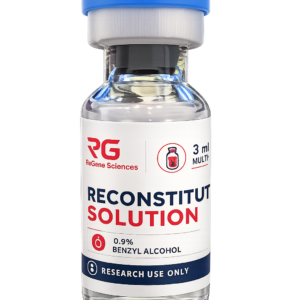
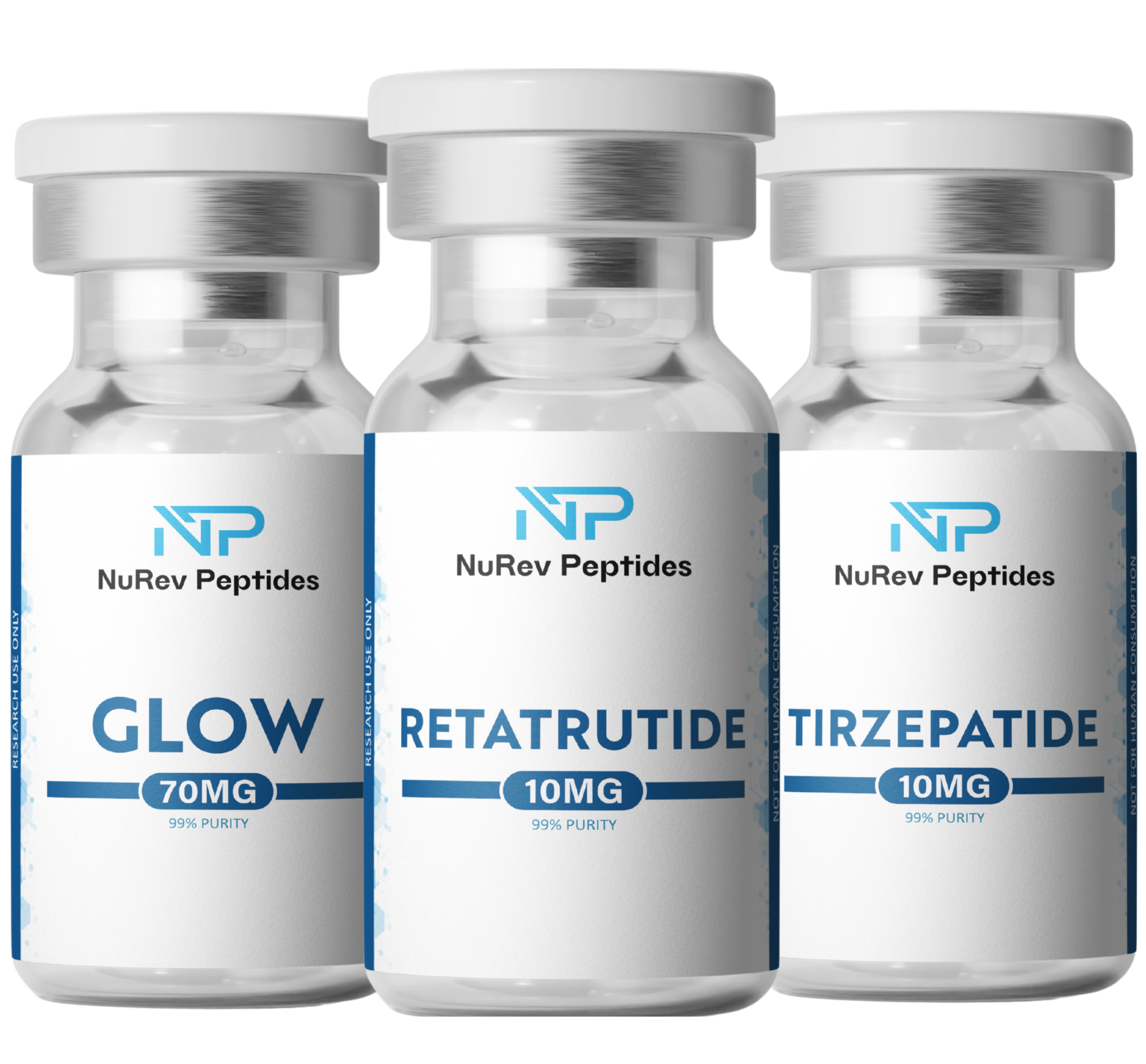
Peptide storage best practices are essential for maintaining compound stability, integrity, and safety in laboratory and non-clinical research settings. Proper handling and storage conditions help preserve research materials and ensure reliable experimental outcomes.
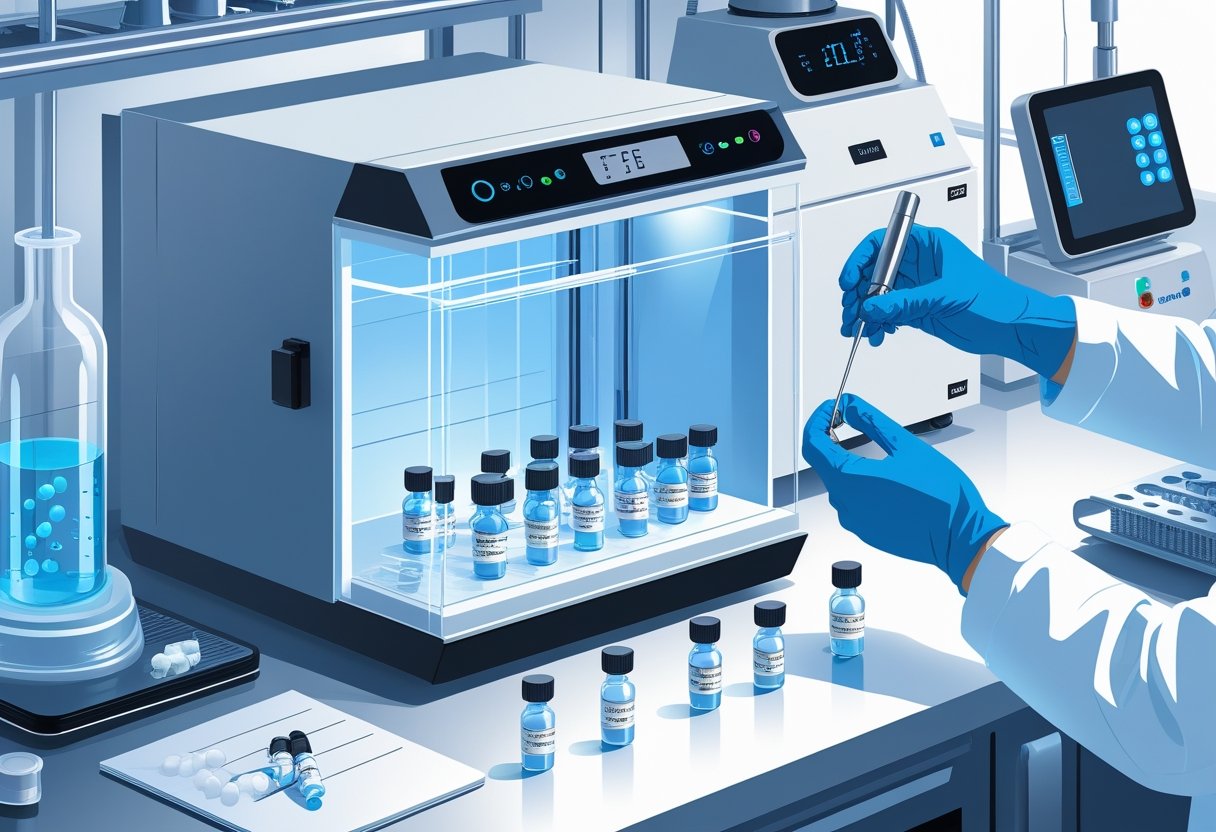
You protect peptide integrity by controlling temperature, light exposure, and handling from the moment you receive them. Consistent storage limits contamination, oxidation, and chemical breakdown that can compromise experimental results.
Store peptides away from direct light and moisture at all times. Use airtight, clearly labeled containers to reduce air exposure and handling errors during routine peptide handling.
For short-term needs, refrigeration works well. You can keep most peptides below 4 °C (39 °F) for days to months without meaningful loss of stability when you handle them carefully.
| Storage goal | Recommended condition |
|---|---|
| Short-term use | Refrigerate below 4 °C |
| Medium-term use | Cool, dark storage if stable |
| Long-term use | Freeze at −80 °C |
Lyophilized peptides, also called freeze-dried peptides, tolerate storage better than solutions. You can keep them at room temperature for limited periods, but colder conditions still slow degradation and preserve potency.
For long-term preservation, freezing provides the most reliable protection. Store peptides at −80 °C (−112 °F) when you plan to keep them for months or years, especially for sensitive sequences.
Avoid repeated freeze–thaw cycles. Each cycle stresses the peptide structure and increases the risk of degradation, so you should aliquot before freezing when possible.
Do not use frost-free freezers for peptide storage. Their defrost cycles cause temperature swings that undermine stability, even when containers remain sealed.
Preventing Oxidation and Moisture Contamination
You reduce peptide degradation by limiting contact with air and water at every step. Cold containers attract moisture, so you should let vials reach room temperature before opening them. This step prevents condensation from forming on the peptide or inside the container.
You also protect stability by keeping containers sealed except during brief handling. Oxygen exposure accelerates chemical changes, especially in sequences containing cysteine, methionine, or tryptophan. After removing material, you can displace air with a dry, inert gas to slow oxidation and extend peptide shelf life.
Repeated thawing increases chemical stress and raises the risk of peptide adsorption to container surfaces. You avoid this problem by dividing material into single-use portions before long-term storage. This approach limits air exposure and reduces handling-related loss.
Practical handling habits that lower risk include:
- Allowing frozen material to equilibrate before opening
- Using airtight vials with low-binding surfaces
- Resealing containers promptly after sampling
| Risk factor | Control strategy |
|---|---|
| Moisture uptake | Warm to room temperature before opening |
| Air oxidation | Minimize opening time; use inert gas |
| Repeated handling | Prepare single-use aliquots |
You preserve integrity by treating air and moisture as constant threats rather than occasional concerns.
Storing Peptides In Solution
You face shorter shelf life once you move from dry material to reconstituted peptides. Water accelerates chemical breakdown and supports microbial growth, especially for sequences with reactive residues.
You improve stability by controlling peptide solubility and storage conditions. Use sterile buffers and limit handling.
Key practices
- Prepare solutions in buffers at pH 5–6 to slow degradation.
- Divide solutions into small aliquots to avoid repeat freeze–thaw cycles.
- Refrigerate short-term; freeze sensitive peptides when idle.
| Condition | Practical guidance |
|---|---|
| Short-term use | Store at 4 °C for limited durations |
| Long pauses | Freeze aliquots at −20 °C |
| Handling | Use sterile tools and containers |
You should expect reduced stability for certain sequences and plan usage accordingly.
Peptide Storage Containers
You should store peptides in containers that stay clean, intact, and chemically stable. Size the container to match your peptide volume to limit headspace and reduce exposure.
Common container options
- Glass vials: Clear, inert, and easy to inspect for particulates.
- Plastic vials: Lighter and impact-resistant for shipping or travel.
- Polystyrene: Clear but less resistant to solvents.
- Polypropylene vials: Translucent with strong chemical resistance.
| Material | Visibility | Chemical Resistance | Typical Use |
|---|---|---|---|
| Glass | High | High | Long-term storage |
| Polypropylene | Medium | High | Transport, routine handling |
You can transfer peptides between plastic and glass when handling or storage needs change. Use protective cases for organization and spill prevention during transport.
Peptide Storage Guidelines: General Tips
You protect peptide stability by keeping samples cold, dry, and shielded from light and air.
- Aliquot before freezing to limit thaw cycles.
- Avoid long-term storage in solution to preserve peptide shelf life and clarify how long do peptides last.
Additional scientific context related to compounds can be found through publicly available research databases such as PubChem.
For further information on purity please visit Certificates of Analysis.
To learn more about our research disclaimers please visit our page Research-only disclaimer.