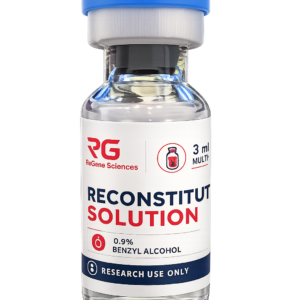
Domestic Peptide Supplier: Key Factors for Selecting the Right Partner in 2026
Choosing Your Research Peptide Source

Researchers frequently weigh whether to purchase from suppliers within their own country or from vendors located overseas. Each sourcing route presents distinct characteristics that influence quality, logistics, and regulatory considerations. Understanding these differences enables you to select a supplier that aligns with your laboratory’s requirements and priorities.
What Is a Domestic Peptide Supplier?
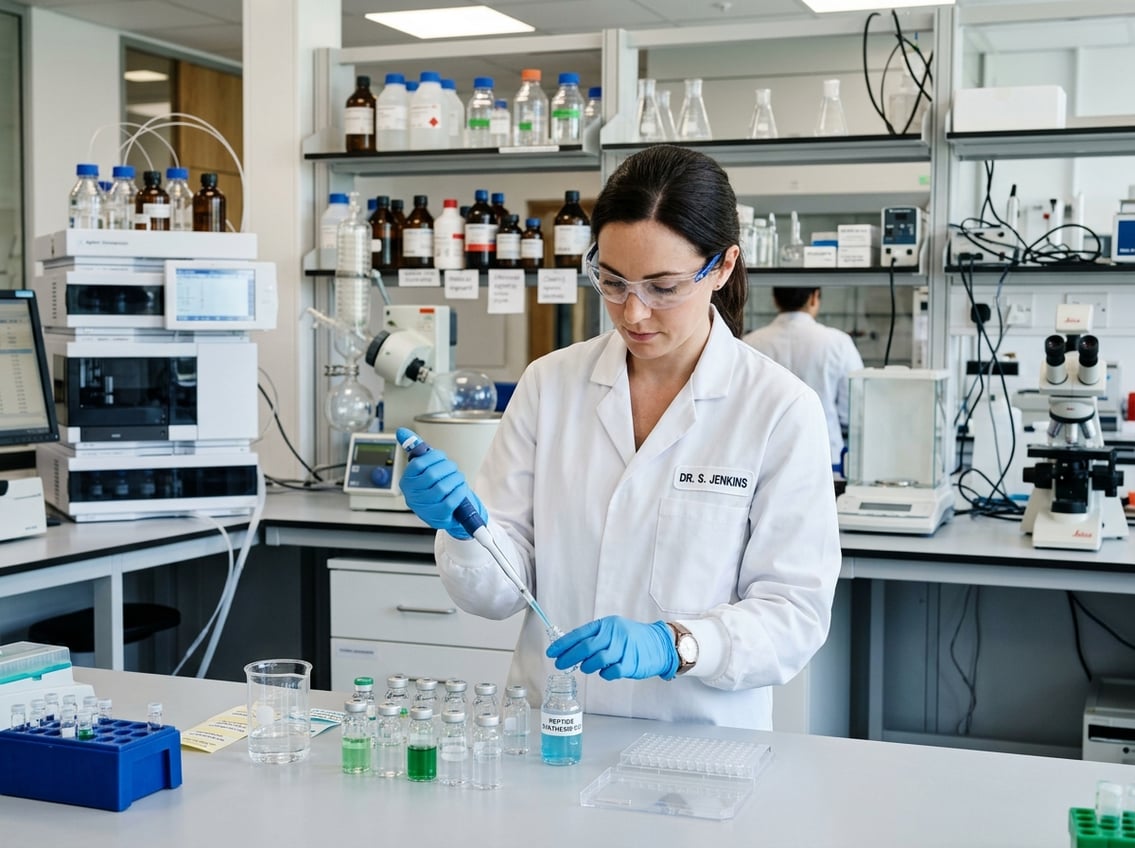
A domestic peptide supplier operates and ships research peptides from within your country. These suppliers maintain local inventory, handle custom peptide synthesis domestically, and deliver orders without international logistics.
Key characteristics include:
- Manufacturing facilities located in your country
- Stock of research peptides including neuropeptides and neoantigen peptides
- Local customer support teams
- Streamlined delivery processes
When you order from US peptide suppliers as a US-based researcher, your custom synthesis orders and shipments stay within national borders. This arrangement simplifies procurement for research peptide suppliers serving laboratories that prioritize accessibility and reduced transit complexity.
What Is an International Supplier?
An international supplier operates manufacturing or distribution centers in countries different from where you conduct your research. These vendors often provide extensive product selections and access to specialized compounds that may not be available through local sources.
Key characteristics include:
- Broader peptide catalogs with diverse options
- Potential access to niche or hard-to-find sequences
- Multiple sourcing alternatives for procurement flexibility
Major players in this space include Bachem, PolyPeptide Group, NuRev Peptides, CordenPharma, AmbioPharma, and CPC Scientific. Shipping times fluctuate based on international logistics and customs processing requirements.
Quality Control Standards
GMP manufacturing facilities implement comprehensive analytical verification protocols to ensure peptide APIs meet stringent specifications. These protocols apply to research-grade peptides and pharmaceutical compounds alike. Third-party testing provides additional validation beyond in-house analysis.
Molecular Structure Verification
Mass spectrometry confirms the exact molecular weight and amino acid sequence of synthesized compounds. This technique detects structural variations, modifications, or synthesis errors that could compromise experimental outcomes. HPLC complementary analysis validates the retention time against reference standards.
Facilities like Thermo Fisher Scientific employ multiple orthogonal methods to cross-verify peptide identity. Your supplier should provide certificates documenting these analytical results for each batch.
Composition Analysis
HPLC remains the gold standard for quantifying peptide purity and detecting impurities. This method separates compounds based on chemical properties and measures the percentage of target peptide versus deletion sequences, truncated products, or other contaminants.
GMP peptide manufacturers typically achieve purity levels between 95-99% for research applications. Your specifications should define acceptable purity thresholds based on your experimental requirements.
| Purity Level | Typical Application |
|---|---|
| 95-98% | Standard research protocols |
| >98% | Sensitive assays, in vivo studies |
| >99% | Clinical development, specialized applications |
Bacterial Contamination Assessment
Endotoxin testing detects lipopolysaccharides from gram-negative bacteria that can interfere with cellular experiments. The Limulus Amebocyte Lysate (LAL) assay quantifies endotoxin levels, typically requiring <1.0 EU/mg for research-grade materials.
Your peptide supplier should conduct endotoxin testing on final products, particularly for compounds intended for cell culture or animal studies.
Microbial Content Validation
Sterility verification ensures the absence of viable microorganisms through USP-compliant testing methods. This involves incubating samples in growth media under specific conditions and monitoring for microbial proliferation.
GMP manufacturing environments incorporate sterile filtration, aseptic processing, and environmental monitoring to maintain product integrity throughout production.
Documentation Requirements
You should request comprehensive analytical records before placing an order with any peptide vendor. A certificate of analysis is the primary document that verifies product identity and purity through independent testing.
Essential records include:
- Certificate of analysis (COA) – Confirms peptide sequence, purity percentage, and molecular weight
- HPLC chromatograms – Display separation profiles and identify potential contaminants
- Product specifications – Detail storage conditions, solubility parameters, and handling instructions
- Batch-specific documentation – Trace manufacturing date, lot number, and synthesis method
Each peptide COA should be tied to the specific batch you receive, not a generic reference document. You need access to these files before your purchase to verify the supplier maintains proper quality control protocols. Reputable suppliers provide this documentation without requiring you to submit special requests or pay additional fees.
Which Option Is Best?
Your choice among best peptide companies depends on what matters most in your workflow.
If speed is critical, domestic peptide sourcing typically delivers faster than international routes. Suppliers like NuRev Peptides offer quicker turnaround for U.S.-based researchers.
If you prioritize vendor selection range, international options expand your pool of peptides for sale.
Quality standards should guide your final decision regardless of geography.
Final Thoughts
Choosing between supplier types requires careful assessment of quality verification, shipping logistics, and regulatory compliance. You should prioritize vendors who demonstrate transparent testing protocols and maintain consistent product availability for your specific research applications.